Increase Your Awareness with Basic Facts about Zoloft (Sertraline)
Nikki and Anne Heart ♥ September 2, 2025
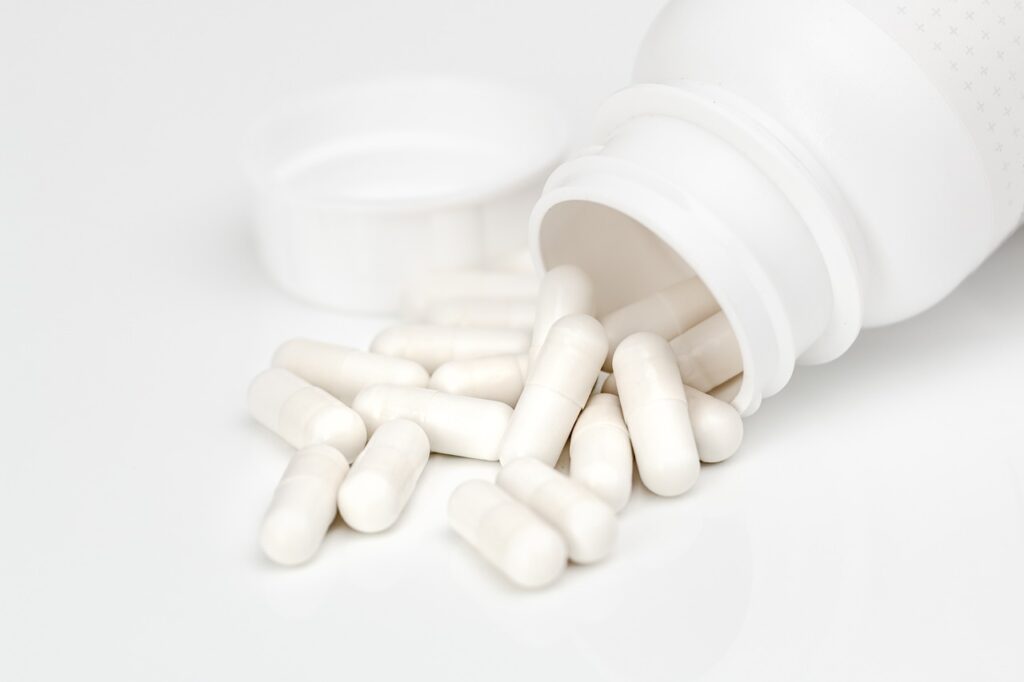
*Picture displayed is a general pill and should not be used as a pill identifier.
The following highlights the facts. More information can be obtained through the sites listed below as well as many other informational sites regarding prescription drugs. Medication facts can change. Make sure you have all up-to-date information.
Quick facts YOU Need to Know
Sertraline brand name: Zoloft®
Sertraline (Zoloft) is in a class of antidepressants called selective serotonin reuptake inhibitors (SSRIs)
Sertraline FDA-approved Indications
First-line treatment of major depressive disorder
Obsessive-compulsive disorder(OCD)
Panic disorder
Post-traumatic stress disorder(PTSD)
Premenstrual dysphoric disorder
Social anxiety disorder(SAD)
Sertraline Non-FDA-approved Indications
Binge eating disorder
Body dysmorphic disorder
Bulimia nervosa(BN)
Generalized anxiety disorder(GAD)
Premature ejaculation
Possible side effects of Zoloft:
nausea
diarrhea
constipation
vomiting
difficulty falling asleep or staying asleep
dry mouth
heartburn
loss of appetite
weight changes
dizziness
excessive tiredness
headache
nervousness
uncontrollable shaking of a part of the body
sexual problems in males; decreased sex drive, inability to get or keep an erection, or delayed or absent ejaculation
sexual problems in females; decreased sex drive, or delayed orgasm or unable to have an orgasm
excessive sweating
Some side effects can be serious. If you expereince any of the following symptoms, call your health provider immediately:
seizures
abnormal bleeding or bruising
agitation
hallucinations
fever
sweating
confusion
fast heartbeat
shivering
severe muscle stiffness or twitching
loss of coordination
nausea
vomiting
diarrhea
headache
weakness
unsteadiness
confusion
memory problems
rash
hives
swelling
difficulty breathing
Sertraline may decrease appetite and cause weight loss in children. Your child’s doctor should watch his or her growth carefully. Talk to your child’s doctor if you have concerns about your child’s growth or weight while he or she is taking this medication. Talk to your child’s doctor about the risks of giving sertraline to your child.
Important Warning
A small number of children, teenagers, and young adults (up to 24 years of age) who took antidepressants (‘mood elevators’) such as sertraline during clinical studies became suicidal (thinking about harming or killing oneself or planning or trying to do so). Children, teenagers, and young adults who take antidepressants to treat depression or other mental illnesses may be more likely to become suicidal than children, teenagers, and young adults who do not take antidepressants to treat these conditions. However, experts are not sure about how great this risk is and how much it should be considered in deciding whether a child or teenager should take an antidepressant.
You should know that your mental health may change in unexpected ways when you take sertraline or other antidepressants even if you are an adult over 24 years of age. You may become suicidal, especially at the beginning of your treatment and any time that your dose is increased or decreased. You, your family, or your caregiver should call your doctor right away if you experience any of the following symptoms: new or worsening depression; thinking about harming or killing yourself, or planning or trying to do so; extreme worry; agitation; panic attacks; new or worsening anxiety; difficulty falling asleep or staying asleep; aggressive behavior; irritability; acting without thinking; severe restlessness; and frenzied abnormal excitement. Be sure that your family or caregiver knows which symptoms may be serious so they can call the doctor if you are unable to seek treatment on your own.
Your healthcare provider will want to see you often while you are taking sertraline, especially at the beginning of your treatment. Be sure to keep all appointments for office visits with your doctor.
The doctor or pharmacist will give you the manufacturer’s patient information sheet (Medication Guide) when you begin treatment with sertraline. Read the information carefully and ask your doctor or pharmacist if you have any questions. You also can obtain the Medication Guide from the FDA website: https://www.fda.gov/Drugs/DrugSafety/ucm085729.htm.
No matter what your age, before you take an antidepressant, you, your parent, or your caregiver should talk to your doctor about the risks and benefits of treating your condition with an antidepressant or with other treatments. You should also talk about the risks and benefits of not treating your condition. You should know that having depression or another mental illness greatly increases the risk that you will become suicidal. This risk is higher if you or anyone in your family has or has ever had bipolar disorder (mood that changes from depressed to abnormally excited) or mania (frenzied, abnormally excited mood) or has thought about or attempted suicide. Talk to your doctor about your condition, symptoms, and personal and family medical history. You and your doctor will decide what type of treatment is right for you.
Sources used and sites to visit:
National Library of Medicine, Sertraline, accessed September 1, 2025
Medical Disclaimer: We share informational resources that are intended to help you with your self-care plan. We are not professionals. We write based on personal experience and personal research.
Nothing on this Website is intended to be taken as medical advice. The information provided on the Website is intended to encourage, not replace, direct patient-health professional relationships. Always consult with your doctor before altering your medications. Adding nutritional supplements may alter the effect of medication. Any medication changes should be done only after proper evaluation and under medical supervision.
General Disclaimer: This site contains links to other internet sites. We are not endorsing any products or services in these sites nor are we endorsing or did we approve information within these sites. Each site contains its own “Privacy Policy”,