
Learn More ♥ Live Healthier

Increase Your Awareness With Basic Facts About Valproic Acid (Depakote®)
Nikki and Anne Heart ♥ June 2, 2026

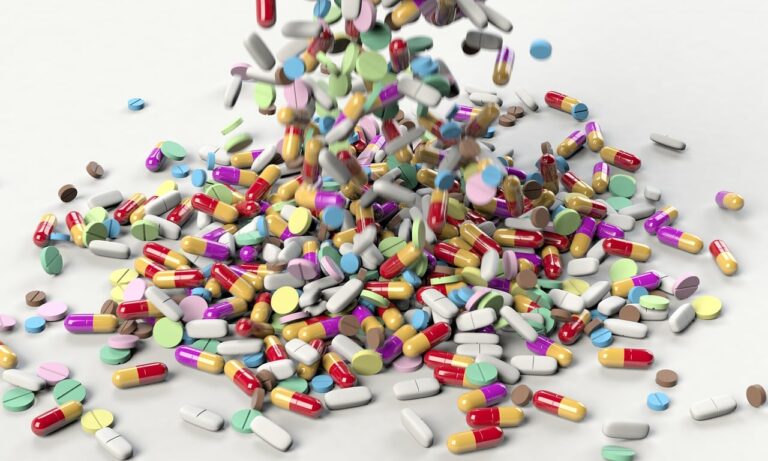
Picture displayed is a general pill and should not be used as a pill identifier.
The following highlights the facts. More information can be obtained through the sites listed below as well as many other informational sites regarding prescription drugs. Medication facts can change. Make sure you have all up-to-date information.
Quick Facts YOU Need to Know
Valproic acid is in a class of medications called anticonvulsants.
Valproic acid, brand names:
- Depakene®
- Depakote®
- Depakote® ER
- Depakote® Sprinkle
Other names:
- Divalproex sodium
- Valproate sodium
Notice:
Divalproex sodium, valproate sodium, and valproic acid, are all similar medications that are used by the body as valproic acid. Therefore, the term valproic acid will be used to represent all of these medications in this discussion.
Valproic acid is used to treat certain types of seizures.
Valproic acid is also used to treat mania (episodes of frenzied, abnormally excited mood) in people with bipolar disorder (manic-depressive disorder; a disease that causes episodes of depression, episodes of mania, and other abnormal moods).
Valproic acid is also used to prevent migraine headaches, but not to relieve headaches that have already begun.
Valproic acid may help to control your condition but will not cure it.
Valaproic acid:
- Swallow the regular capsules, delayed-release capsule, and extended-release tablets whole; do not split, chew, or crush them.
- You can swallow the sprinkle capsules whole, or you can open the capsules and sprinkle the beads they contain onto a teaspoonful of soft food, such as applesauce or pudding. Swallow the mixture of food and medication beads right after you prepare it. Be careful not to chew the beads.
- Do not store unused mixtures of food and medication.
What are the ingredients in Depakote® (Valproic acid)?
Active ingredient: divalproex sodium
Inactive ingredients:
- Depakote ER tablets: FD&C Blue No. 1, hypromellose, lactose, microcrystalline cellulose, polyethylene glycol,
potassium sorbate, propylene glycol, silicon dioxide, titanium dioxide, and triacetin. The 500 mg tablets also
contain iron oxide and polydextrose. - Depakote delayed-release tablets: cellulosic polymers, diacetylated monoglycerides, povidone, pregelatinized
starch (contains corn starch), silica gel, talc, titanium dioxide, and vanillin.
◦ Individual tablets also contain:
125 mg tablets: FD&C Blue No. 1 and FD&C Red No. 40,
250 mg tablets: FD&C Yellow No. 6 and iron oxide,
500 mg tablets: D&C Red No. 30, FD&C Blue No. 2, and iron oxide. - Depakote Sprinkle Capsules: cellulosic polymers, D&C Red No. 28, FD&C Blue No. 1 gelatin, iron oxide,
magnesium stearate, silica gel, titanium dioxide, and triethyl citrate.
Common side effects of Depakote (Valproic acid):
- weakness
- headache
- trouble falling asleep or staying asleep
- abdominal pain, nausea, diarrhea, vomiting
- constipation
- changes in appetite, weight changes
- agitation
- mood swings
- abnormal thinking
- uncontrollable shaking of a part of the body
- problems with walking or coordination
- uncontrollable movements of the eyes
- blurred or double vision
- ringing in the ears
- hair loss
Depakote (Valproic acid) can cause serious side effects including:
- unusual bruising or bleeding, tiny purple or red spots on the skin, weakness or swelling in the joints
- fever, swollen glands
- rash, hives, peeling or blistering skin, difficulty breathing or swallowing
- swelling of face, eyes, lips, tongue, or throat
- extreme tiredness or confusion, vomiting
- drop in body temperature
- weakness or swelling in the joints
These are just some of the side effects. Refer to the medication guide for a complete list of side effects and warnings of Depakote® (link below).
Depakote can interact with other prescription medications, over-the-counter medications, other drugs, vitamins and supplements. Check with your pharmacist, health care provider and medication guide for complete list of intereactions.
IMPORTANT WARNING:
Valproic acid may cause serious or life-threatening damage to the liver that is most likely to occur within the first 6 months of therapy. Tell your doctor if you have a certain inherited condition that affects the brain, muscles, nerves, and liver (Alpers Huttenlocher Syndrome), urea cycle disorder (an inherited condition that affects the ability to metabolize protein), or liver disease. Your doctor will probably tell you not to take valproic acid. If you notice that your seizures are more severe or happen more often or if you experience any of the following symptoms, call your doctor immediately: excessive tiredness, lack of energy, weakness, pain on the right side of your stomach, loss of appetite, nausea, vomiting,, dark urine, yellowing of your skin or the whites of your eyes, or swelling of the face.
Valproic acid can cause serious birth defects (physical problems that are present at birth), especially affecting the brain and spinal cord and can also cause lower intelligence and problems with movement and coordination, learning, attention, communication, emotions, and behavior in babies exposed to valproic acid before birth. Tell your doctor if you are pregnant or plan to become pregnant. Talk to your doctor about the risks of using valproic acid during pregnancy. If you are a woman of childbearing age, including girls from the start of puberty, talk to your doctor about using other possible treatments instead of valproic acid. If the decision is made to use valproic acid, you must use effective birth control during your treatment. Talk to your doctor about birth control methods that will work for you. If you become pregnant while taking valproic acid, call your doctor immediately. Valproic acid can harm the fetus.
Valproic acid may cause serious or life-threatening damage to the pancreas. If you experience any of the following symptoms, call your doctor immediately: ongoing pain that begins in the stomach area but may spread to the back nausea, vomiting, or loss of appetite.
Keep all appointments with your doctor and the laboratory. Your doctor will order certain lab tests to check your response to valproic acid.
Talk to your doctor about the risks of taking valproic acid or of giving valproic acid to your child.
You will be given the Medication Guide. Read the information carefully and ask your doctor or pharmacist if you have any questions.
Sources used:
- Medication Guide, Depakote, accessed May 19, 2026.
- MedlinePlus, National Library of Medicine, Valproic Acid, accessed May 19, 2026.
- Drugs@FDA, Depakote, accessed May 19, 2026.
- Drugs.com, Depakote interactions, accessed May 20, 2026.
- Know how YOUR medication should be taken
- Realize cutting or altering a medication can change how the drug is released into your body
- Be Aware of misinformation regarding medication
Learn More
♥
Live Healthier

Medical Disclaimer: We share informational resources that are intended to help you with your self-care plan. We are not professionals. We write based on personal experience and personal research.
Nothing on this Website is intended to be taken as medical advice. The information provided on the Website is intended to encourage, not replace, direct patient-health professional relationships. Always consult with your doctor before altering your medications. Adding nutritional supplements may alter the effect of medication. Any medication changes should be done only after proper evaluation and under medical supervision.
General Disclaimer: This site contains links to other internet sites. We are not endorsing any products or services in these sites nor are we endorsing or did we approve information within these sites. Each site contains its own “Privacy Policy”,